
Chiropractic Care: Enhancing Immunity Through Nervous System Balance

Supporting the Community for Over 22 Winters
At Mt Eden Chiropractic, we’ve proudly supported our local community through 22 winters, helping individuals maintain their health and vitality. A cornerstone of our approach is understanding the intricate relationship between the nervous system and immune function.

The Bidirectional Communication Between Nervous and Immune Systems
The connection between the nervous and immune systems is bidirectional, each system sends and receives signals from the other. This complex interplay helps the body adapt and respond to challenges like infections, inflammation, and stress.
Key players in this communication include the vagus nerve (which controls parasympathetic activity), the sympathetic chain ganglia, and spinal nerves emerging from the thoracic and lumbar regions. These nerves regulate immune organs like the spleen, thymus, and lymph nodes. Misalignments in the spine (subluxations) can impair this neural regulation, potentially weakening immune defense.
Chiropractic adjustments help restore alignment and promote proper nerve signaling, which can enhance the immune response.
Sleep, Chiropractic Care, and Immunity
A good night’s sleep is vital for strong immunity. Sleep is when your body produces infection-fighting cytokines and immune cells. When sleep is disrupted often due to discomfort, spinal tension, or stress your immune system takes a hit.
Research shows chiropractic care can improve sleep by reducing physical tension, calming the nervous system, and promoting deeper rest. Better sleep, in turn, means a better-equipped immune system. Our own survey of 400 plus patient Re-examination forms from 2019 tells us 70% of our patients reported better sleep as a result of starting chiropractic care.
Keep out the sugar to support your immune system.
No one has a sweeter tooth than me, however check out these facts on sugar and how it suppresses the immune system after its consumed.
- Within 30 minutes: Ingesting approximately 100 grams of sugar equivalent to a large sugary drink can reduce the ability of white blood cells, such as neutrophils, to combat pathogens by up to 40%.
- Peak suppression at 1–2 hours: The immune system’s ability to fight infections is most compromised during this period.
- Duration of effects: The suppression can persist for up to 5 hours after sugar consumption.
Mechanisms of Immune Suppression by sugar
Several factors contribute to the weakening of the immune response following sugar intake:
- Competition with Vitamin C: High blood sugar levels can hinder the absorption of vitamin C into white blood cells, reducing their effectiveness.
- Increased Inflammatory Cytokines: Elevated sugar intake can lead to the release of pro-inflammatory cytokines, which may damage cells and tissues over time.
- Impaired Phagocytosis: Sugar consumption can decrease the ability of phagocytes cells that engulf and digest pathogens to perform their functions effectively.
Chiropractors’ Winter Recipe Picks to Boost Gut Health
A healthy gut is a key player in immune resilience after all, about 70% of the immune system lives in the gut. During winter, we recommend focusing on warming, nutrient-rich meals that feed your microbiome and keep inflammation low.
Here are some chiropractor approved winter staples:
- Bone Broth Soups– rich in collagen and minerals to support gut lining and immunity
- Fermented Veggies– like kimchi and sauerkraut for a dose of probiotics
- Garlic and Ginger Teas– natural antimicrobials that also soothe digestion
- Pumpkin and Lentil Dahl– warming, fibre rich and packed with immune-boosting spices like turmeric and cumin
- Stewed Apples with Cinnamon– great for gut friendly pectin and naturally sweet comfort
Key vitamins and minerals for Winter Wellness!
🌞 1. Vitamin D
Why it’s important: Limited sun exposure in winter reduces natural vitamin D production, which is crucial for immune function, mood, and bone health.
- Recommended daily intake:
- 600–800 IU (15–20 mcg) (standard RDA)
- 1,000–2,000 IU is often recommended during winter or for people with low sun exposure.
- Up to 4,000 IU/day is considered safe for most adults.
- Best sources: Sunlight don’t be afraid of it for short periods in our kiwi winter, fatty fish, fortified foods, supplements.
🍊 2. Vitamin C
Why it’s important: Supports the immune system, may reduce the duration of colds, and acts as an antioxidant.
- Recommended daily intake:
- 75 mg (women)
- 90 mg (men)
- For immune support, 200–500 mg/day is often used short-term.
- Upper safe limit: 2,000 mg/day
- Best sources: Citrus fruits, bell peppers, berries, supplements.
🥬 3. Zinc
Why it’s important: Helps immune cell function and may reduce cold duration if taken at onset.
- Recommended daily intake:
- 8 mg (women)
- 11 mg (men)
- For short-term cold relief: 15–30 mg/day
- Upper safe limit: 40 mg/day
- Best sources: Meat, shellfish, legumes, seeds, supplements.
🐟 4. Omega-3 Fatty Acids (EPA/DHA)
Why it’s important: Supports mood and heart health, helps reduce inflammation.
- Recommended intake:
- 250–500 mg EPA + DHA per day
- Best sources: Fatty fish (salmon, mackerel), fish oil supplements, algae-based omega-3s (for vegetarians)
If you want your Omega 3/ Omega 6 ratios measured as Dr. Simon mentioned in his inflammation workshop, we can now arrange testing via Fx Med. Send us an email to order the test kit.
🥛 5. Magnesium
Why it’s important: Supports sleep, mood, and muscle function, which can be affected by stress or reduced activity in winter.
- Recommended daily intake:
- 310–320 mg (women)
- 400–420 mg (men)
- Best sources: Nuts, seeds, leafy greens, whole grains, supplements (e.g., magnesium glycinate or citrate).
🍠 6. Iron (only if needed)
Why it’s important: Important for energy and immune function, especially if fatigue or low iron is suspected.
- Recommended daily intake:
- 18 mg (women)
- 8 mg (men)
- Caution: Don’t supplement without checking iron levels — excess iron can be harmful.
🧄 7. Optional Winter Boosters
- Elderberry: May help reduce cold and flu symptoms; dosage varies by product.
- Echinacea: Often used at first signs of illness.
- Probiotics: Support gut health and immune defence.
Want to Stay Well This Winter?
Drop us a line or book a visit to learn how chiropractic care can support your health this season. And for an extra boost, click here to check out our favourite winter immune-boosting recipes carefully chosen by our chiropractors to support both gut and immune health.
Changing Habits Chicken Soup: 4 servings
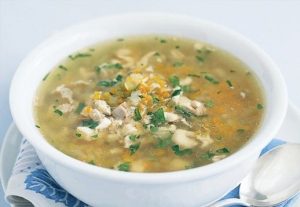
Make sure you keep the bones in the chicken so that you get all the healing properties of bone broth for your digestive and immune system. Grandma was right, this is the best medicine for keeping healthy or helping with a cold.
4 chicken thighs with bones
1 large brown onion – peeled and chopped finely
1 celery stick, trimmed and finely chopped
2 large garlic cloves – finely chopped
6 sprigs of fresh thyme – leaves picked, stalked discarded
1 tsp cracked pepper
3 tbsp finely chopped fresh parsley
2 litres of water
1 tsp celtic sea salt
Place the chicken, onion, celery, garlic, peppercorns, parsley, thyme and water in a large saucepan with a lid, bring to the boil and simmer for 40 minutes.
Using tongs transfer the chicken onto a clean work bench, using the tongs cut the meat away from the bone. Discard the bones.
Finely chop the chicken and add back to the pot. Taste and season with salt.
Pour into bowls garnish with parsley and serve
Healing Chicken Soup

https://quirkycooking.com.au/2017/09/fighting-colds-flus-healing-chicken-soup-recipe/
1 whole chicken or 1-2kg chicken drumsticks (organic or free range)
filtered water
3–4 cloves garlic
1–2 long red chillies, deseeded
5cm piece of turmeric, peeled
2–3cm piece of ginger, peeled
large handful Italian parsley or cilantro
1 head cauliflower (approx. 800g), cut into florets
2 Tbsp ghee or chicken fat
2 Tbsp organic gelatin (opt)
2 egg yolks (opt)
1 large onion, chopped
1–2 stalks celery, finely sliced
1 leek, tough outer green leaves removed, finely sliced (wash carefully)
3–4 large carrots, sliced
2 cups pumpkin, cut into 2-3cm cubes
1 large turnip, cut into 2–3cm cubes
2 large potatoes, cut into 2cm cubes (omit for GAPS diet)
2–3 sprigs fresh sage, leaves only, chopped
2–3 sprigs thyme, leaves only, chopped
1 sprig rosemary, leaves only, chopped
1–2 tsp dulse flakes or dried kelp (opt)
2 large mushrooms (portabello), sliced
3–4 large button squash, finely sliced
1 head broccoli, cut into florets, stalks peeled and thinly sliced
1 small bunch leafy greens (kale, bok choy, spinach, etc), finely sliced
fine sea salt to taste (approx 3-4 tsp)
black pepper, to taste
a pinch of cayenne pepper (opt)
- Place the chicken into a large stock pot (6-8 litres), or divide it between two 4-litre pots. Pour in filtered water up to about 5cm from the top of the pot. Place the lid on and bring to a boil, scoop off any scum, then reduce heat and simmer (lid on) for 1 1/2 – 2 hours or until chicken is soft. (Don’t overcook or the chicken will be tough.)
- Towards the end of cooking time, begin preparing other ingredients. Place garlic, chilli, turmeric, ginger and parsley into a Thermomix bowl and chop for 5 sec/speed 7 (or chop until fine in a food processor). Remove to a small bowl and set aside. Begin chopping vegetables and herbs.
- Place cauliflower florets into the Thermomix bowl (no need to clean bowl), and add 200g of the chicken broth from the pot and the ghee or duck fat. Cook 20 minutes/100C/speed 1. Add egg yolks and collagen to bowl (if using) and blend 1 min/speed 9, gradually increasing speed from 1-9. (If you don’t have a Thermomix, cook cauliflower with broth and ghee/fat in a saucepan on the stovetop, then add yolks and collagen and blend with a stick blender, or cool and blend in a blender or food processor.) Set aside.
- When the chicken is finished cooking, remove it with a slotted spoon and place it into a dish to keep warm.
- Add onion, celery, leek, carrots, pumpkin, turnip, potatoes (if using), sage, thyme, rosemary and dulce flakes/kelp to the broth. Continue to simmer with the lid on for 15 mins.
- Add mushrooms, squash, broccoli and leafy greens. Continue to simmer with the lid on until all the vegetables are soft.
- Add in the mash and the reserved chopped herbs, chilli, garlic, ginger and turmeric. (If you don’t want the soup too thick, only add half the mash.) Turn off the heat, and stir through gently until combined.
- Season to taste with salt, pepper and cayenne pepper (if using).
- If using drumsticks, remove meat from the bone and flake it into soup in large pieces. Or if using a whole chicken, cut it into pieces and add it to the soup. Stir through gently so chicken and veggies don’t break up too much. Adjust seasonings if needed.
- Serve hot.
Stay warm and stay well
The Mt Eden Chiropractic Team

